





Own a piece of
the grail.
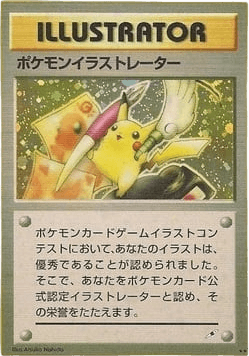
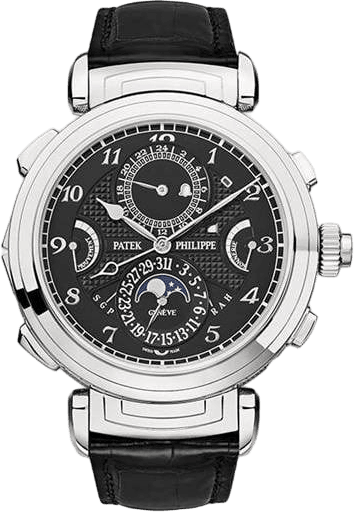
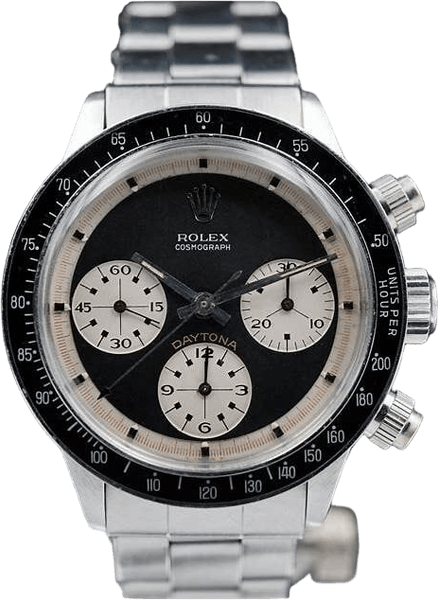
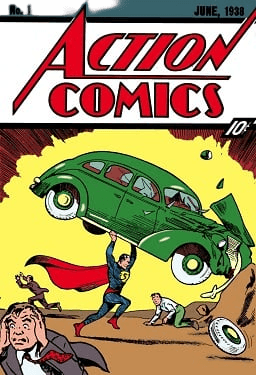
A $5M Ferrari or a museum-grade Pikachu card is out of reach for almost everyone. On SEXY you can own a slice of one: a shard that opens at a real-world floor and trades like crypto, settled entirely in USDC.






What's a shard?
A market works like a pizza: you don't buy the whole thing, you grab a few slices. A shard is one slice of one market, held in your own wallet. Drag the slider and claim as much (or as little) as you want.
Where's the price from?
No order book, no haggling. Every market opens at a floor: the collectible's real-world value split across all its shards. That's only the starting line; from there it's all trading. Tap any market to see how its genesis floor is set.
Markets don't all have the same shard count. Supply is set by the item's tier: a common piece might be a single shard, while a grail is cut into tens of thousands. Pricier items get more shards, so a $30K card and a $30M painting both open at a friendly per-shard price instead of one costing thousands a slice.
Genesis & the treasury
When a market launches, the protocol mints its full, capped supply once and never again. A slice is listed on the curve at the genesis floor, and the treasury holds the rest, around 70%. That holding is the company's stake in the asset, and it's held out in the open: anyone can see it.
Here's the part people ask about: no USDC is deposited at genesis. The price runs on a single-sided virtual AMM, the reserves are virtual numbers, so there's nothing to seed. The only real money in a market is what buyers bring. The treasury's 70% isn't a printed bag it dumps on you; it's the ammo it uses to keep markets liquid and fund exits (more on that in ).
No physical item, no custody, no auctions, no warehouse. USDC in, USDC out, with a hard floor under every shard from the first second.
Backed by the treasury
There's no warehouse of Ferraris. Every shard is backed by a USDC treasury, not a physical item. Peek inside.
The curve: gentle, then steep
Every market runs on a single-sided virtual AMM, a math curve, not an order book, that quotes a price for any size. It has two zones, and that shape is the whole trick.
That steep tail is on purpose. It means a market can never fully sell out: the closer the curve gets to empty, the more expensive the next shard becomes, so there's always a little supply left, just at a price nobody's rushing to pay. Scarcity shows up as price, not as a sold-out sign.
The flip side is just as important: you can't drain a market dry and leave later buyers stranded. The curve always has shards to sell, and always has a bid to buy yours back, all the way down to the floor.
Limited vs open supply
Not every market is the same kind of thing, and the supply reflects that.
So what happens when buyers clear most of what's on the curve but the item still has units behind it? Two things. The steep tail keeps a sliver always available at a rising price, and the treasury can release more of its held supply onto the curve when demand is real, topping the market back up at the live price. The cap never grows, supply is minted once at genesis, but the company's ~70% holding is the reserve it deploys so an in-demand market stays tradable instead of locking up.
What moves the price
After a market opens at its floor, the price is pure supply and demand on a vAMM: buys nudge it up, sells nudge it down, and it never drops below the floor. Tap the buttons and watch your shards move.
There's one more input: the real-world price. Each market tracks an oracle of what the underlying collectible is actually worth. When the real asset appreciates, the market recenters upward so the live price follows the real one, that's how a shard of an appreciating grail appreciates with it.
The oracle is a reference, not a forced peg. The treasury defends the new level with its war chest (the USDC it earns from trading fees, the gacha edge, and the premium buyers pay above the floor), buying dips to support the price. The floor itself tracks the real asset (see ), so if a wave of selling outlasts the war chest the price simply slides back toward the floor, never through it.
The floor tracks the asset
The floor is the price the treasury will always buy your shards back at. It isn't a number we invent, it's the collectible's real-world value ÷ its supply. And because these are synthetic (you hold a USDC-backed shard, not the physical item), the floor follows the real asset both ways.
Above the floor sits the premium: how far the live trading price runs over the floor, set by demand. You buy at the market price (floor + premium), and you can always sell back at at least the current floor. If the market's above the floor you get that higher price; if it's sitting at the floor, the treasury still takes you out there, 1:1.
The honesty point: the floor is a live mirror of the real asset, not a frozen promise. It protects you from market panic and thin liquidity, it doesn't protect you from the underlying collectible genuinely losing value.
Is it safe?
The honest answer: prices can go down, but you can't get rugged. Two things make that true, and both are verifiable on-chain.
That second number is the one to watch. We call it the coverage ratio: the USDC in the vault divided by what it would cost to buy back every shard in circulation at the floor. Because every shard was bought for at least the floor, and the treasury only ever spends the surplus above floor coverage when it defends the price, that ratio stays at or above 100%. The floor backing is never the money being spent.
The war chest that defends prices above the floor is fueled by real revenue, trading fees, the gacha house edge, and the premium buyers pay above the floor, never by minting free supply. If everyone heads for the exit at once, the price falls to the floor and the treasury still buys you out there. No printing, no hidden leverage, no mystery backing.
Rewards for holders
Separate from the war chest, there's a reward engine with its own fuel: the creator fees from the $SEXY token. Those fees flow to the treasury and get given back to holders, not as a yield drip, but as a recurring lottery that drops free fractions into people's inventories.
The fractions come from the same pool as the gacha, so a drop might be a handful of a common market or, rarely, a slice of a grail. Hold more, get more draws and better rarity odds, but even a small holder is always eligible for something rare, just at longer odds. Recipients are capped each cycle so it never thins out into dust. And every dropped fraction is bought on the curve and sent straight to your wallet (exactly like a gacha prize), so it's fully backed, same as anything you'd buy yourself.
Try it yourself
Pick a market, set how it grows and how long you hold, and see where your shards could land. All the knobs are live:
How trading works
Bids, asks & P2P
The curve is always there as the baseline, instant buy and sell against the treasury. But you don't have to use it. Every market also has a real peer-to-peer layer on top, so holders can trade directly.
It's a light order book sitting beside the curve, asks above, bids below, all settled on-chain into escrow so a filled trade can't be backed out of. Use it to get a better price than the curve in either direction; the curve just guarantees you can always trade something right now.
No haggling DMs, no trust required: list, bid, or take, and the protocol holds the funds and shards until it settles.
Cash out anytime
No ownership quest, nothing to ship. Whenever you want out, sell your shards back for USDC. The treasury is always the last counterparty, so there's always a buyer.
If the market price is above the floor you get that price; if it's at the floor, the treasury still takes them 1:1 at the floor. USDC in, USDC out.
Feeling lucky?
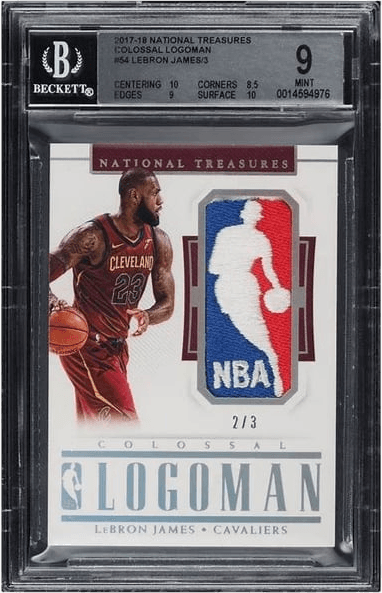
Gacha is an optional side feature. Pay in USDC for a capsule roll and pull the same shards you'd buy on the exchange: usually a handful, occasionally a rare grail-tier hit. Everything lands in your inventory at live value, and a Legendary is guaranteed by 120 pulls (pity), so a dry streak can't run forever.
It's grind-proof and provably fair: the roll is rolled and submitted for you, so you can't peek at the outcome and only keep the wins, and the randomness comes from a seed we commit to before you pull and reveal after, so anyone can verify we didn't rig it. Odds and the treasury's ability to back every prize are enforced on-chain.


Quick answers
Tap a card to flip it.